
General Surgery
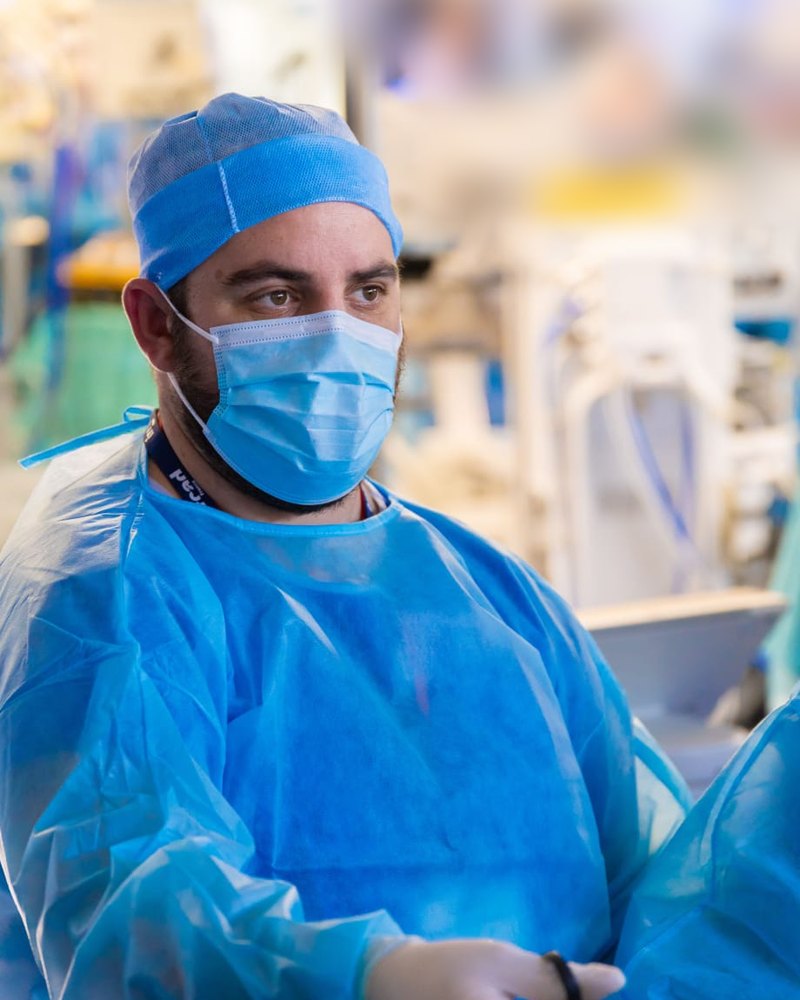
I treat the most common abdominal surgical conditions, favoring the laparoscopic approach, which, through small incisions, means less pain and a faster recovery.
Río Cuarto · Córdoba · Argentina
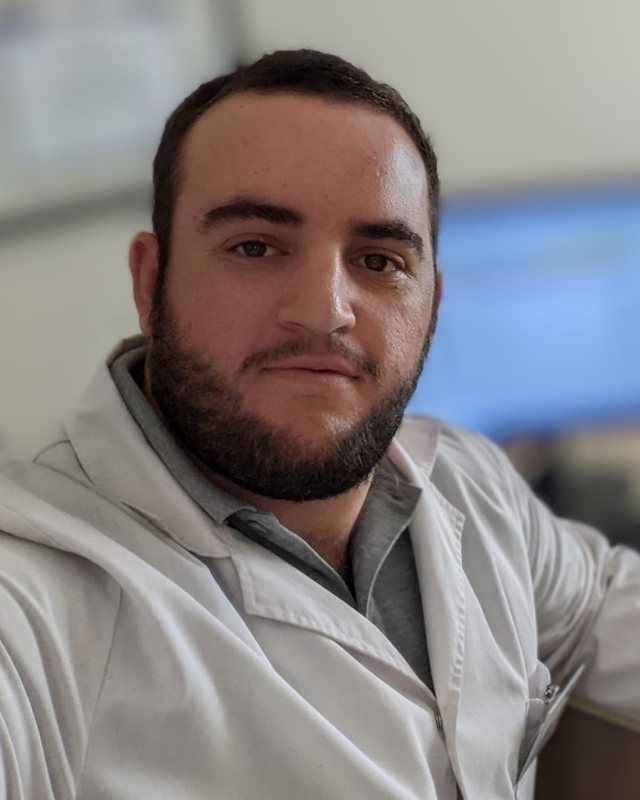
I am Dr. Ignacio Corteggiano, a general surgeon with a Fellowship in Minimally Invasive Surgery, a Master's in Abdominal Wall Surgery and international training. I explain every option clearly and stay with you from the first visit to discharge.
About me
Every visit begins with an interview about your history, symptoms and tests. I then perform a physical examination and explain, in plain words, what is happening and which treatment options we have, surgical or not.
When surgery is the best option, I propose less invasive techniques that solve the problem safely: laparoscopy, image-guided percutaneous procedures or abdominal wall reconstruction with current techniques. I trained in them in Argentina, Spain and France.
I am with you throughout the process: preparation, surgery and follow-up, with direct WhatsApp contact for any question.
See my training and backgroundSpecialties
I treat the most common abdominal surgical conditions, favoring the laparoscopic approach, which, through small incisions, means less pain and a faster recovery.
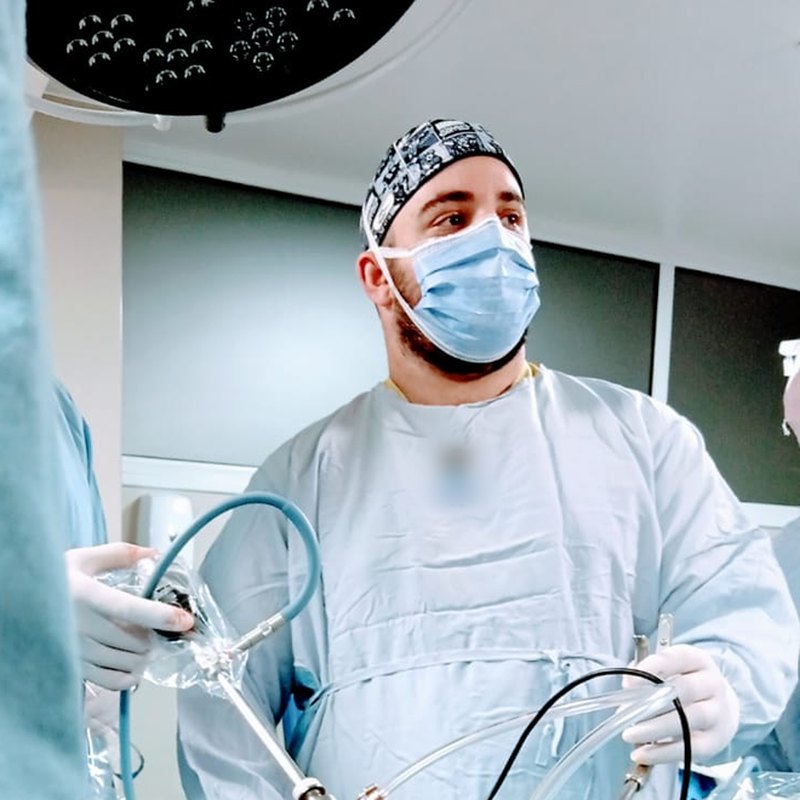
Many problems can be solved without open surgery, through minimally invasive surgery or percutaneous procedures guided by ultrasound or CT, under local anesthesia or sedation. They are also an option for patients who cannot undergo major surgery.
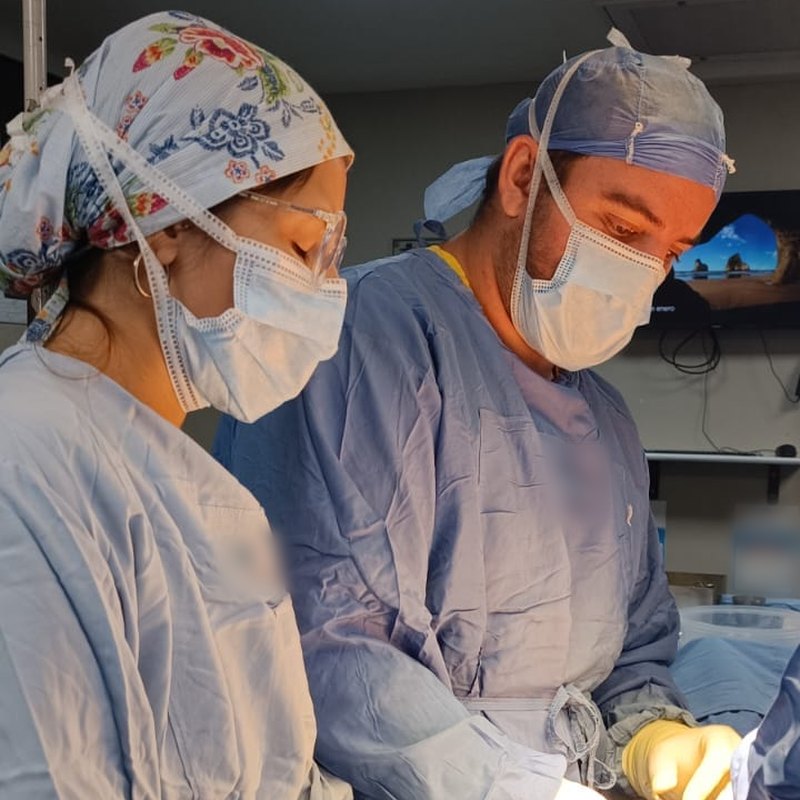
I trained specifically in hernia repair and abdominal wall reconstruction (Master's in Abdominal Wall Surgery, rotation at Hospital Alemán, Buenos Aires). Each case is planned with imaging studies to choose the right technique and mesh.
From the patient's CT or MRI scan I build a 3D reconstruction of the organ: a model that can be rotated and shows the lesions together with the arteries, veins and bile ducts.
It is used to:
Patient information
General information to understand each condition. It does not replace a consultation: every case is assessed individually.
A bulge in the groin that appears when straining or standing and may hurt. It does not heal on its own and can become complicated if it gets trapped.
It is repaired with a mesh, through open or laparoscopic surgery, depending on each patient. Hospital stay and recovery depend on the technique and on each case.
A bulge at or above the navel. It is common after pregnancy, with excess weight or chronic cough.
Depending on the size of the defect, it is closed with or without mesh. It can be done through open or laparoscopic surgery: the technique is chosen after assessing each case.
It appears over the scar of a previous operation. Over time it tends to grow and interfere with daily life.
The abdominal wall is reconstructed with current techniques (mesh in the right position, component separation when needed). In large hernias the wall can be prepared before surgery, for example with botulinum toxin, to achieve a tension-free closure.
Separation of the abdominal muscles, common after pregnancy. It may come with hernias and lower back discomfort.
Not every diastasis needs surgery. The width, symptoms and any associated hernias are assessed, and physical therapy or surgical repair is recommended case by case.
Gallstones can cause biliary colic, inflammation (cholecystitis) or pancreatitis.
Cholecystectomy is done laparoscopically. The hospital stay is usually short and recovery is quick.
Build-ups of fluid or pus inside the abdomen, the liver or soft tissues, sometimes after surgery or an infection.
In many cases they are drained percutaneously, without open surgery, with a catheter guided by ultrasound or CT. See percutaneous surgery.
When a scan shows a nodule or lesion, a biopsy tells what it is and helps define the treatment.
With a needle guided by ultrasound or CT, usually under local anesthesia and without a hospital stay.
Lumps under the skin, usually benign, that may grow, cause discomfort or become infected.
They are removed in outpatient surgery under local anesthesia in most cases.
Care
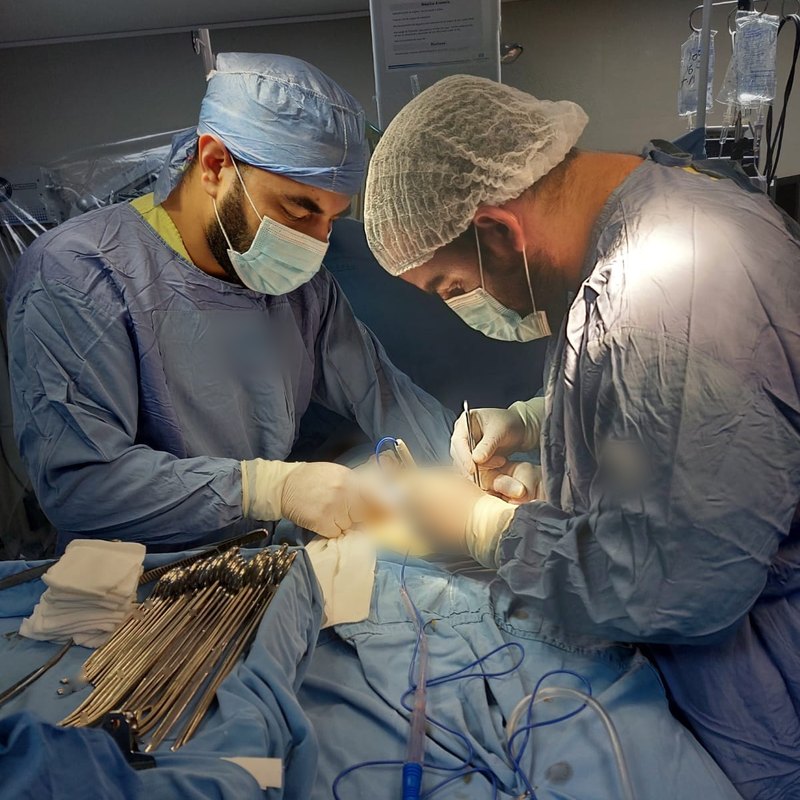
In the operating room
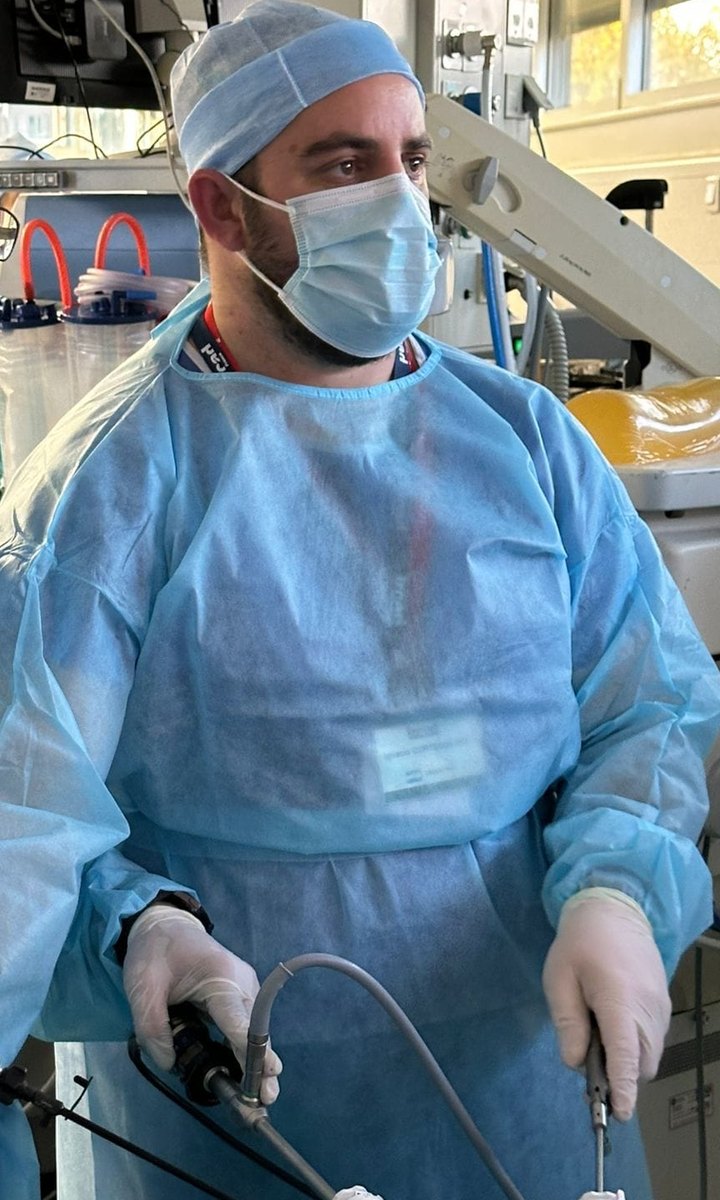
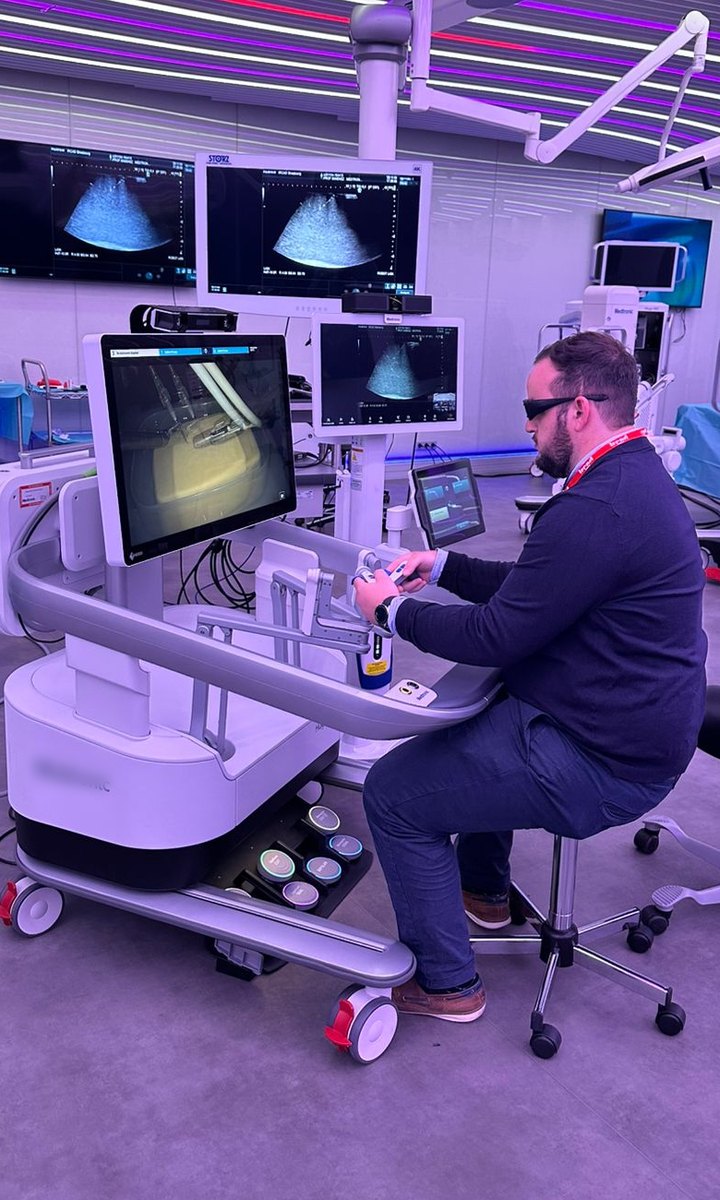
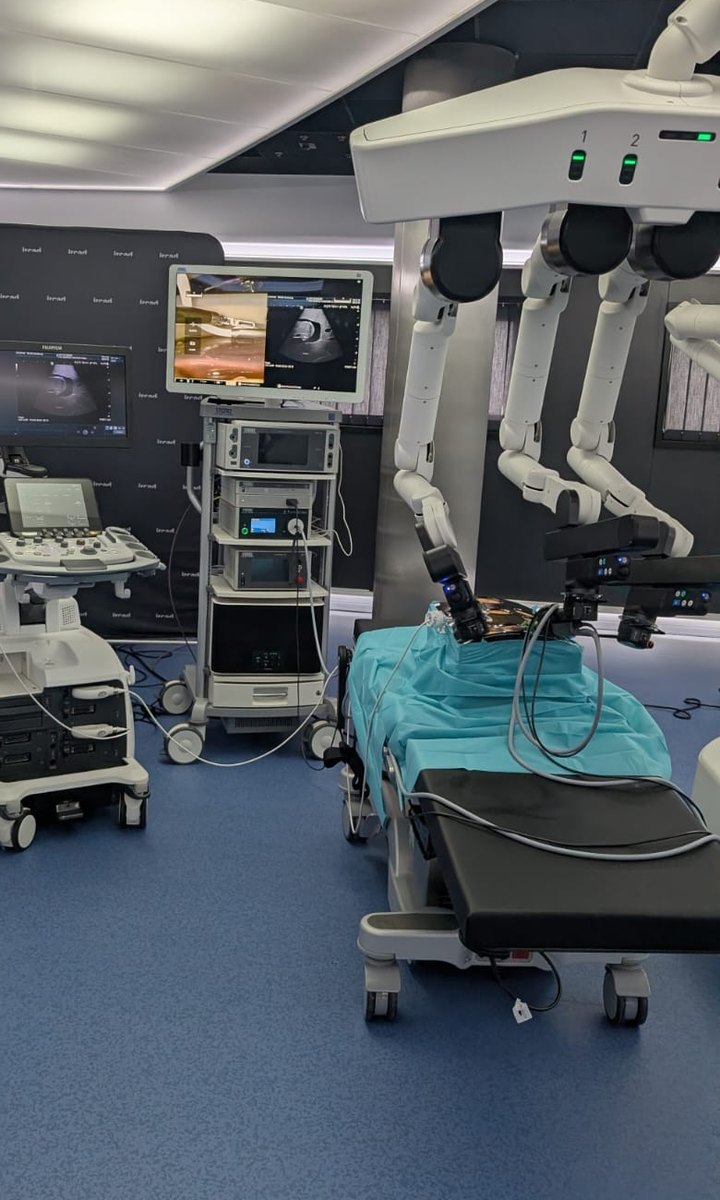
Background
Lecturer in Information and Communication Technologies (ICT), Catholic University of Córdoba.
Lecturer in charge of Human Morphophysiology, School of Nursing (2024–2025).
Research
Besides operating, I work on applying artificial intelligence to surgery. I train neural networks on surgical images and develop support tools for surgeons.
I am developing a platform for abdominal wall surgeons with an artificial intelligence assistant that supports every case: it brings together case registry, hernia classification (EHS), risk assessment, up-to-date scientific evidence and patient follow-up.
I'm a surgeon and want to learn moreCommon questions
Most do, because they do not heal on their own and tend to grow. Some cases without symptoms can be monitored. We decide together at the consultation.
Any tests related to the problem (ultrasound, CT scans, lab results) and a list of the medications you take.
Ask via WhatsApp which health insurance plans are accepted at each location.
It depends on the type of surgery. After laparoscopic hernia or gallbladder surgery, most people resume light activities within a few days. Recovery from large incisional hernias takes longer.
Yes, video consultations can be arranged to review tests or for follow-up visits.
Contact
The fastest way is WhatsApp. Please include your name, health insurance and the reason for your visit.
WhatsApp: +54 9 358 561-3924Email: [email protected]
Instagram: @dr.corteggianoignacio
Grupo Instituto Médico
Instituto de Urología, Nefrología y Unidad Cardiológica
Tuesday and Thursday afternoons
Mitre 1064, Río Cuarto · Directions
Institute's WhatsApp: 358 411-5204
Policlínico San Lucas
In-person visits in Río Cuarto at Grupo Instituto Médico (Tuesday and Thursday afternoons) and Policlínico San Lucas, and by video call.